
Lang




Supported by Industriklivet
Green Birch: From waste to sustainable jet fuel
Fueling Flight Without Fossils.
Waste to Jet. Future Ready.
Recycling Carbon for Clean Aviation.
Why SAF?
Why sustainable aviation fuel?
Aviation is essential for connectivity, trade and travel — but today it still depends almost entirely on fossil jet fuel. While efficiency improvements, operational measures and new aircraft help reduce emissions, they are not enough on their own to deliver the deep reductions required to meet climate goals.
0
1
2
4
2
3
4
1
1
2
3
4
5
6
0
4
3
2
1
0
5
5
1
0
0
1
2
4
2
3
4
0
1
2
3
4
5
6
kton Per year annual production of SAF
0
1
2
3
6
7
8
8
1
2
3
4
5
6
0
8
7
2
1
0
5
5
1
0
%
Reduction in lifecycle aviation CO₂ emissions compared to fossil jet fuel
>
0
1
2
3
6
7
8
5
1
2
3
4
5
6
Million tons Avoided CO₂ emissions over the plant’s lifetime
Process
From waste to jet fuel
Green Birch is designed as an integrated waste-to-jet process, combining proven technologies into a scalable pathway for producing sustainable aviation fuel from residual waste and renewable electricity.


Site
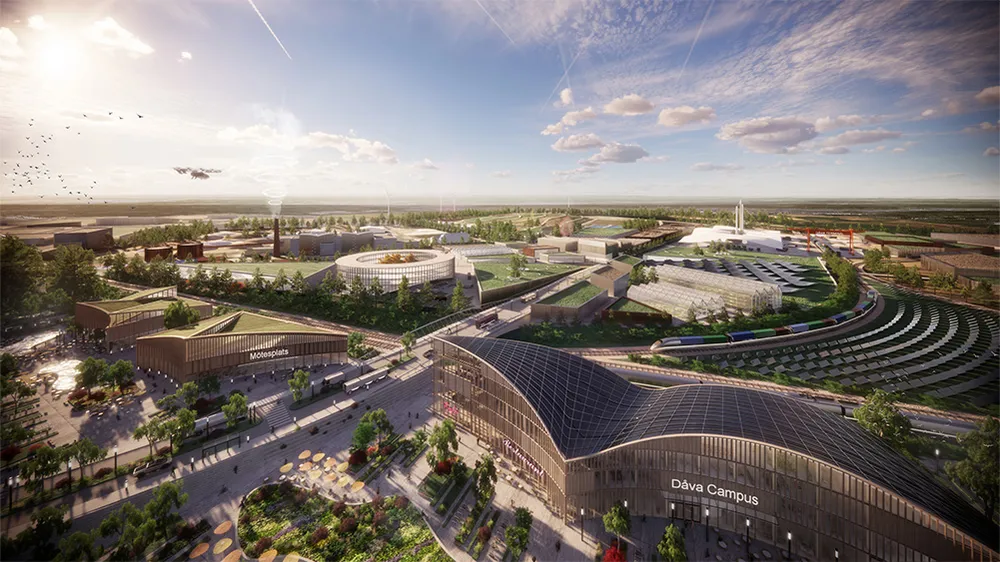
Umeå Eco Industrial Park at Dåva
The Green Birch plant is planned at Umeå Eco Industrial Park at Dåva, Umeå’s largest industrial development area in the region of Västerbotten in northern Sweden. The park is being developed as a world-class hub for circular green innovation, recycling and energy.
Locating the project at Dåva provides access to established waste handling infrastructure, district heating networks and electricity, as well as strong road and rail connections. This enables industrial symbiosis with neighbouring facilities and supports efficient use of energy and materials.
Partners
Project partners
Green Birch is developed by Dåva Sustainable Fuels AB together with partners that bring complementary experience across aviation, energy, waste management and regional industrial development.

Braathens Renavia
Braathens Renavia is a Nordic SAF project developer focused on large-scale production of sustainable aviation fuel from forest residues and waste streams. Founded by aviation entrepreneur Per Braathen and backed by the Braathens and Braganza group, Renavia builds on more than 75 years of airline heritage to develop SAF projects aligned with airline operations and fuel logistics.

Mana
Mana is a project development company dedicated to converting non-recyclable waste into clean energy carriers such as methanol and, ultimately, sustainable aviation fuel. The company develops waste-to-methanol projects across the Nordics and is part of NG Nordic’s circular platform.
NG Nordic
NG Nordic is a leading Nordic provider of circular solutions and environmental services, managing a substantial share of Northern Europe’s waste management and recycling infrastructure. Formed through the combination of NG Group and Fortum Recycling & Waste, NG Nordic provides the feedstock access and industrial competence required for projects like Green Birch.

Umeå Energi
Umeå Energi is the municipal energy company in Umeå and a key actor behind the development of Umeå Eco Industrial Park at Dåva. The company operates the Dåva combined heat and power plant and is investing in new infrastructure to support circular, climate-smart industrial projects.

Umeå Eco Industrial Park
Umeå Eco Industrial Park at Dåva is Umeå’s largest industrial development initiative, led by the municipality and its companies to create a world-class hub for circular green innovation. Green Birch is one of the flagship projects supporting this long-term vision.



More information
For more information and news about the Green Birch project please feel free to reach out.